
February is National Children’s Dental Health Month. The National Children’s Dental Health Month is a…
Help for Impacted Teeth
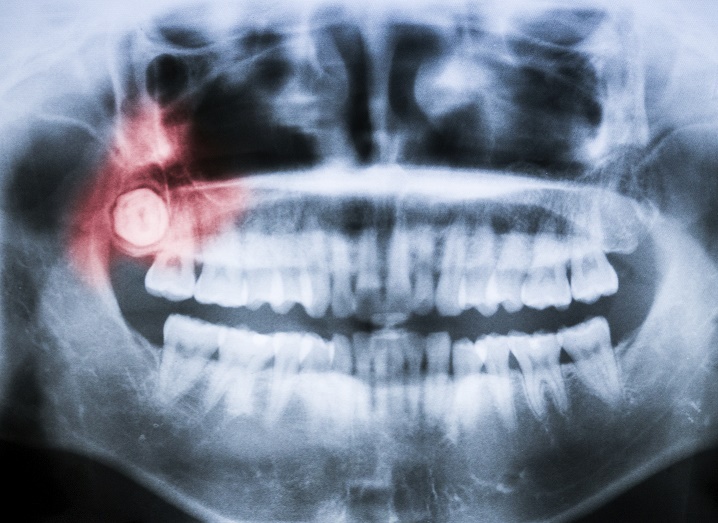
For those lucky enough to have enough room for their wisdom teeth to come in, impacted teeth will never be a problem. For a large number of us, however, it is fairly common for wisdom teeth to become impacted when there isn’t quite enough room in the mouth for them to break through the gums properly. Impacted wisdom teeth don’t always have to be removed, but in most cases, it is best to have them extracted before they begin to cause problems.
How to Tell if a Tooth is Impacted
First and foremost, take a few minutes to check out your wisdom teeth in the mirror as best as you can. An impacted tooth is stuck below the gums, or may rest in your mouth only partially through the gums. If you are halfway through your twenties or older and a wisdom tooth is still below the gums, it may be impacted.
Impacted teeth also usually come with some uncomfortable physical symptoms:
- Pain around the tooth or in the jaw
- Swollen or tender gums
- Bad breath
- Difficulty with chewing
- Bad taste in the mouth
What’s So Bad About an Impacted Tooth?
Don’t let an impacted tooth go untreated just because you don’t notice any symptoms. Doing so could invite a wide range of oral problems to develop. At best, an untreated impacted tooth may not bother you for many years. Most likely, however, the bacteria that often collect around impacted teeth and in the gums will cause:
- Irritation of the gums
- Infection
- Gum disease
Treating Impacted Teeth
Younger patients can often have their impacted teeth extracted with a minimum of discomfort. The roots of impacted teeth in patients well into their adulthood, however, have likely already grown into the underlying bone. These teeth can be extracted as well, but the longer you procrastinate, the more difficult the extraction is likely to be.
If the tooth and surrounding gums are in good shape, a shot of local anesthetic and a brief yank of the tooth is all that is needed. Impacted teeth with bigger problems, such as infection, are more difficult to treat. Any infection will have to be removed once the gums are cut and the tooth removed, and you will probably be given a medication to keep the infection from returning.
Severe infection can affect surrounding teeth, so don’t be surprised if you wind up losing two teeth instead of just one. Ask Dr. Cooper about implants that can replace your newly extracted teeth, keep your bite as good as it ever was, and protect the jaw bone underneath from deterioration.


 Dr. Rasmussen is a Hot Springs native who graduated from the University of Central Arkansas in 2017 (Go Bears). After receiving his D.D.S from The University of Tennessee in 2021, he is looking forward to serving the central Arkansas community and the wonderful people who live here.
 Dr. David Cole is a graduate from the University of Arkansas, receiving his degree in 2016, and is a huge Razorback fan! He then went to dental school at the University of Tennessee where he received his D.D.S. in 2021. He looks forward to getting to know the Central Arkansas area, and serving his community!
 Dr. James Cooper was born in Jonesboro, Arkansas. He studied at the University of New Mexico and graduated from dental school from the University of Missouri, Kansas City. After 2 years of dental experience with the Army, Dr. Cooper moved to Jacksonville in 1973 to practice dentistry.
 Dr. Jordan Cooper is from Jacksonville, AR. His father is Dr. James Cooper, a Jonesboro, AR native and practicing dentist of 39 years and his mother, Tracy Cooper, is a dental hygienist from Little Rock. Dr. Cooper graduated high school from Central Arkansas Christian, after which he entered at the University of Arkansas as a Chancellor’s Scholar in 1998.