
February is National Children’s Dental Health Month. The National Children’s Dental Health Month is a…
Preventing Cavities- Top Tips
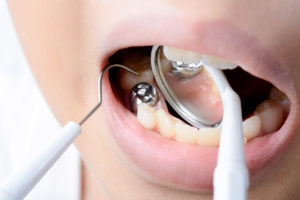
You visit our dental office for your semi-annual appointment and discover, again, that you have new decay (cavities) in your teeth and need further dental treatment. This is a discouraging diagnosis that all of us want to avoid…but how? We all have heard: eat less sweets and be sure to brush and floss daily. What else can be done?
Although every one of us has a different genetic and biological makeup that affects the rate and intensity of tooth decay each patient experiences, there are certainly best practices for preventing cavities that will help minimize that discouraging report at your regular visit.
What Causes Tooth Decay
Tooth decay is a cause of wear and tear on the enamel of our teeth over time. The bacteria in our mouth feeds on carbohydrates and sugars from the foods and drinks we consume, creating an acidic erosion of this enamel. Excessive erosion creates weak spots that lead to cavities (or holes) in the surface of the tooth.
Preventing Tooth Decay
Below are some of the top suggestions for minimizing the erosion of enamel on your teeth to ensure a strong, healthy smile:
- Brush and Floss Regularly: Although it shouldn’t need to be said, the first line of defense in your cavity prevention plan is certainly to properly brush your teeth twice per day and floss daily. If you can, brush after each meal to minimize the acidic erosion on your teeth.
- Eat your Veggies: What you eat matters. A properly balanced diet of whole foods with plenty of proteins, fruits and vegetables is important for overall dental health. Minimize processed foods and those high in simple sugars. Also minimize the amount of sugary drinks and sticky food or candies, as they can remain on the teeth and speed the erosion process.
- Visit your Hygienist: Your twice yearly recommended hygienist appointments are important for long term dental care. Professional cleanings will reach areas that are missed by at-home cleaning regimens and will help you watch for potential problems. The more quickly dental decay is discovered and addressed, the less overall damage to your teeth.
- Consider Fluoride Treatments: Supplemental fluoride treatments may be recommended by your dentist to minimize damage to your teeth. Talk to your dentist about options.
- Chew on Xylitol – A natural substance found in many fruits and veggies, xylitol can help neutralize acids in the mouth to protect your tooth enamel. Xylitol can be purchased in the form of chewing gum.
- Consider Sealants – If you tend to be more prone to cavities, you may want to consider asking your dentist to place a sealant on your teeth to protect the enamel surface. The sealant is a thin plastic substance coated on your teeth that fills in any fissures or pits within your teeth that may be hard to clean and more susceptible to damage.


 Dr. Rasmussen is a Hot Springs native who graduated from the University of Central Arkansas in 2017 (Go Bears). After receiving his D.D.S from The University of Tennessee in 2021, he is looking forward to serving the central Arkansas community and the wonderful people who live here.
 Dr. David Cole is a graduate from the University of Arkansas, receiving his degree in 2016, and is a huge Razorback fan! He then went to dental school at the University of Tennessee where he received his D.D.S. in 2021. He looks forward to getting to know the Central Arkansas area, and serving his community!
 Dr. James Cooper was born in Jonesboro, Arkansas. He studied at the University of New Mexico and graduated from dental school from the University of Missouri, Kansas City. After 2 years of dental experience with the Army, Dr. Cooper moved to Jacksonville in 1973 to practice dentistry.
 Dr. Jordan Cooper is from Jacksonville, AR. His father is Dr. James Cooper, a Jonesboro, AR native and practicing dentist of 39 years and his mother, Tracy Cooper, is a dental hygienist from Little Rock. Dr. Cooper graduated high school from Central Arkansas Christian, after which he entered at the University of Arkansas as a Chancellor’s Scholar in 1998.